MSG - flavour fantastic
Monosodium Glutamate, abbreviated to MSG, has become one of the most commonly added additives in popular fast and convenience foods today! It stimulates the taste buds with the sixth taste, known as umami. Whilst it is freely used by food manufacturers and has been given a safe upper limit under European law, there is a growing body of evidence that will certainly make you think twice before you indulge in this taste sensation again.
MSG was first discovered in a Tokyo university in 1908 and was immediately put into production as a flavour enhancer and production in North America was in full swing by the 1940's being produced from corn and wheat gluten. Modern production is achieved through the fermentation of sugar beet molasses to produce a fine white crystal that has a similar appearance to salt. It doesn't have much of a taste itself, but it quickly fools the brain into thinking that foods taste better than they actually do. MSG is a very potent ingredient and as such serves to financially benefit the manufacturer as they require relatively small amounts to replace better quality and more costly ingredients.
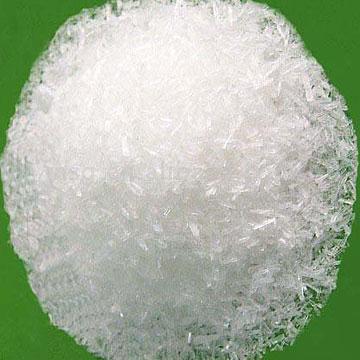
Monosodium glutamate crystals
The first problems with MSG were discovered in the late 1950's and 1960's. Professor John Olney is accredited with the major discovery of how MSG affects brain cells. He observed that MSG excited brain cells so much that they shriveled and died. This caused him to coin the term 'excitotoxicity.' It is free floating glutamate surrounding neurons that causes the problem. Glutamic acid is a perfectly natural amino acid found in many foods. This fact has led to confusion around the safety of MSG with many people using it's natural origins to justify it's use. In real foods glutamic acid is joined by peptide links within the protein elements of the food that are slowly broken down during digestion and absorbed gradually. This gradual uptake allows for very tight regulation of glutamate in the body and around the brain. When MSG is ingested as an additive in processed foods it does not require digestive break down and causes a rapid spike in glutamate in the blood and brain. These sudden surges of MSG absorption are associated with the excitotoxicity that Dr Olney observed back in 1968.

Children's brain are 4 times more sensitive to this powerful food additive and are much more likely to suffer ill effects as the blood brain barrier is still not fully developed. This is of even greater concern as many of the foods used to placate children when they are difficult are laden with MSG. The brain is even more sensitive to the damaging effects of MSG when it is low on energy, such as when blood sugar levels are lower. This is usually the time when we are craving food, adults and children alike, usually resulting it some quick convenience food that more than likely contains MSG.
Research has shown that MSG can stimulate specific areas of the brain that are sensitive to free glutamic acid such as the hypothalamus and the amygdala.The hypothalamus has many functions, one of which is to monitor the blood and influence appetite. The Chinese recently ran a study that looked at human MSG intake in relation to obesity. They found that even when they factored out differences in calorie intake and levels of activity and exercise, those who ate larger amounts of MSG were more likely to be over weight and obese. This is likely linked to the damage that this excitotoxin has upon the appetite centre of the brain. The amygdala is responsible for more elaborate expressions of emotion, one of the features that makes humans unique in the animal kingdom. Glutamate can damage this nucleus in the brain which in some individuals may bring on intense feelings of anger, fear or apathy when regularly exposed to these excitotoxic effects. Indeed MSG has been linked to numerous disease states including diabetes, insulin resistance, Alzheimer's, Parkinson's, Lou Gehrig's, fibromyalgia, retinal disorders, certain cancers and reproductive disorders. Why doesn't everybody experience the same problems with MSG consumption? Well like many toxins, it seems that there are numerous factors that determine the sensitivity of each individual to the toxic effects of free glutamic acid. It will likely be those who have the fewest protective factors who will suffer more from regular exposure.
The following points can help in protecting yourself from unwanted MSG sensitivity and the resulting negative effects:
- Avoid foods that contain MSG where possible - be aware of other food ingredients that contain possibly toxic levels of glutamic acid, including yeast extract, carragennan, hydrolysed proteins, protein isolates, natural flavourings (if non-organic) and calcium caseinate. A more complete list is available on Jack Samuels site, Truth in Labelling.
- Eat in a manner that minimises energy slumps throughout the day. Hypoglycaemia leaves the brain exposed to greater toxic effects. Ensure regular meal patterns, eating natural, real foods with a good mix of proteins, carbohydrates and fats at every meal and snack.
- Ensure an adequate intake of the powerful, fat soluble vitamins, especially vitamin E. This nutrient has been shown to protect the brain from the damaging effects of glutamate toxicity. Foods rich in vitamin E include sunflower seeds, olives, walnuts, almonds, spinach and legumes.
- Magnesium has also been found to dampen the level of excitation that glutamate has on the brain cells, preventing their demise. Magnesium is commonly deficient throughout industrialised populations. This is partly to do with the over indulgence of sweet, carbohydrate rich foods that draw heavily on magnesium reserves for conversion to energy. Reducing sweet foods and including magnesium rich foods will assist. Foods to seek include unprocessed sea salt, organic dairy (raw), fish and seafood, blackstrap molasses and Swiss chard.
Real food is full of flavour and nourishing to the soul and has no need of artificial enhancement with MSG or any other of the food additives that contain free glutamic acid. A simple shift away from processed foods to natural foods as advised throughout our food finder categories will eliminate MSG from your diet and lead to better health all round. Besides, don't you think that the Ajinomoto company are making enough money on MSG sales? The global market for has been estimated at £11.8 billion of which Ajinomoto have 30% of the market. Stop funding the flooding of our food supply with MSG, eat naturally.