Nightshades - to eat or not to eat?
It is highly unlikely that foods from the nightshade family are not eaten on virtually a daily basis in most Western diets. These foods can cause certain problems in sensitive individuals and may actually be playing a role in the background 'noise' of symptoms that may be identified as inflammatory illnesses. Could these foods be leading to your own less than optimal health?
The nightshades are any plant from the Solanaceae family, however in relation to inflammation we are more interested in two specific genus or food families called capsicum and solanum. These are respectively the pepper and the tomato/potato/eggplant families of foods. All nightshade plants contain a potent toxin called solanine which is naturally produced by the plants to deter pets from eating them. Many types of plants play this kind of toxic warfare in an effort to survive the typical animals or predators that would seek to eat them. For example, when potato tubers are exposed to light as a result of the earth being removed from around them, they increase the solanine levels within the tuber to prevent bugs eating it. This can be visibly observed on the surface of the potato as it will have a green colour. No doubt animals quickly learn that the green colour should be avoided after gut irritation or illness results.
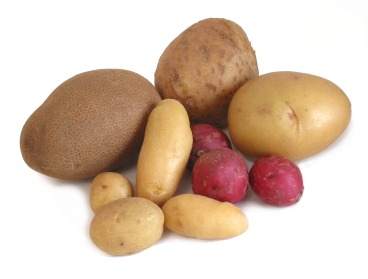
These same concerns exist for humans eating potatoes. Green potatoes will be much more toxic due to the higher solanine content and really should be discarded and not consumed. The chemical, solanine, inhibits the breakdown of the primary neurotransmitter responsible for muscular contraction, which can result in prolonged contraction times and over time increased muscular stiffness. This excess low level contraction or muscular tension can often be a factor in those who experience regular muscular aches, pain and inflammation.
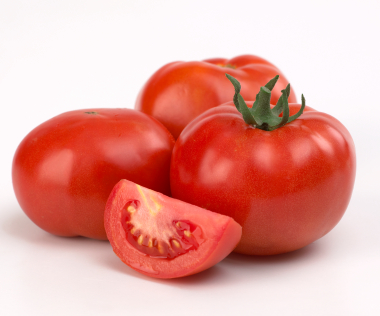
Nightshades foods are also high in calcitriol, the most active derivative of vitamin D. This is not vitamin D3 (cholecalciferol) which is highly beneficial for health, but is a converted isomer or slightly different form of the same chemical family. Vitamin D is well known as an important factor in regulating calcium and bone strength. This highly active form, calcitriol, is thousands of times more potent than vitamin D3 and as such is very closely regulated within the body by the kidneys so that blood and tissue levels remain at very low and very narrow limits. Regular nightshade intake can increase calcitriol levels which then in turn stimulate the intestines to rapidly absorb calcium in higher levels than is typically required. This excess calcium may be removed from the blood stream by depositing it into the soft tissues such as tendons, cartilage, cardiovascular tissues and within the joints of the body. The high calcitriol levels can even lead to bony spur formation in the joints which is a common symptom for osteoarthritis sufferers. These bony spurs can irritate the joint creating pain and inflammation that are all too familiar symptoms for the osteoarthritic individual.
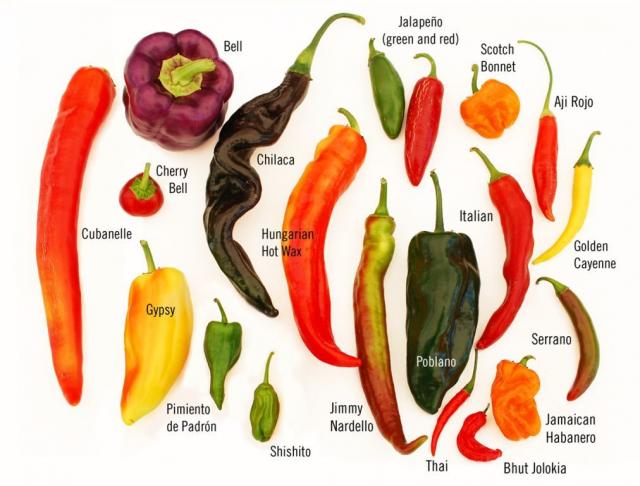
Peppers, particularly hot peppers such as cayenne, are rich in a compound called capsaicin which is an irritant to all mammals, including humans. Capsaicin has been found to cause a rapid release of chemicals from the sensory nerves involved in pain and inflammation. Capsaicin receptors have been found to be present in arthritic joints. Therefore there is reasonable grounds to assume that spicy foods could exacerbate the uncomfortable symptoms often experienced by arthritic sufferers. There is certainly an increased risk of digestive complaints in those who regularly consume greater amounts of spicy foods and hot peppers.
Have you ever noticed how more-ish potatoes, tomato based foods and spicy meals can be. Why would this be? Well interestingly nightshade plants are also a source of small amounts of nicotine, which may go some way to explaining why they can become deceptively addictive foods. So perhaps if you have arthritis or you know someone who has arthritis, it may just be worth cutting out nightshade foods to see if it helps reduce the severity of the symptoms! The challenge is to cut out all nightshade foods for 6 weeks to allow the reactions to reduce and to see if symptoms improve. Then after 6 weeks introduce these foods back into the diet for a full day and observe symptoms over the next 2 days. If they get noticeably worse it is a pretty sure indicator that you have a degreee of nightshade sensitivity and should look to remove these foods for the long term.