Britians Biggest Dairy - 8,100 cows
With only 5 major dairies in the UK there has now been a push to create another, but this will be the Goliath of all dairies here in the UK. Surely this is not what the public really want. Is it?
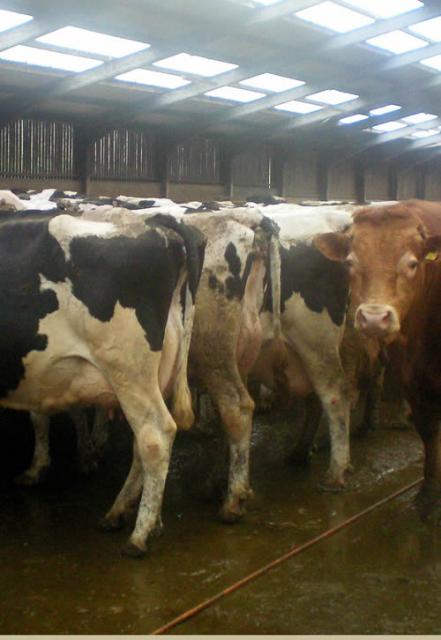
IS this what we want?
We warned of Britain following closely behind America in the food industry's dark side and less then a week after the release of FoodInc, we are faced with greedy farmers, claiming they can save the planet.
The British farmers Robert Howard, David Barnes and Peter Willes, a director of West Country cheese producer Parkham Farms, want to invest £50 million to establish an 8,100-strong herd (The average UK dairy herd currently has around 120 cows) on around 4,000 acres of land at Nocton, near Lincoln. They have submitted a planning application to create the UK's biggest dairy cow herd. Milk production is expected to start by October, generating approximately 250,000 litres of milk per day at Nocton Dairies. They will offer vast amounts of renewable energy from the cows slurry which has been estimated to produce enough electricity to support the entire farm and a further 2000 homes. This will no doubt attratc the attention of anyone who has an interest in green energy. However, the cows will be fed a diet consisting largely of acid producing grains like maize - alarm bells ringing yet! This smells largely like large scale industrial food production where the cattle are most likely to be kept in large sheds with their heads in feeders for most of the day! This can only loosely be called farming, it is more like a factory processing plant. This farming model has caused significant problems in the USA.
Cattle have evolved with several stomachs to be able to ferment the grass with beneficial bacteria and breakdown the cellulose that makes up large amounts of the grass and extract the nutrients from within. Grains have large amounts of carbohydrate contained within that is not found in such abundance in grass. This large dose of carbohydrate rich food ferments in the cows gut creating an acidic environment suitable for pathogenic and disease causing bacteria to flourish in, and to add to it these grains also provide a vast source of fuel to sustain their growth and rapid multiplication. Large scale factory dairies like this are forced to include routine dosing of anti biotics within the cows feed in order to prevent disease outbreaks. However, the bacteria can quickly mutate and bring about resistant strains of bacteria that are not deactivated with antibiotics - this is a real problem. This is exactly the source of the most dangerous strain of E coli H157 that has caused many cases of food poisoning. E coli has poisoned people who have eaten both contaminated meat and plants. This is because many farms use cow slurry as a source of natural fertiliser on the ground they grow their crops on - this is perfectly harmless and natural when cows are eating only grass and naturally fertilising as they eat out in the fields. It is not good when they have been intensely fed grains in vast herds where disease can occur!
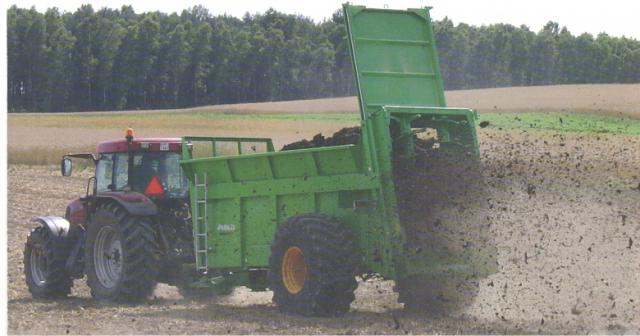
This proposed dairy will no doubt retail using clever marketing, highlighting its modern technical advances and the use of the cows' slurry in ensuring 'the lowest carbon footprint of any milk in the UK.' With carbon footprint such a huge government target now it will likely be seen as a smart horse to back by politicians and maybe even some consumers.
As our readers already know, we promote high quality RAW milk as the best milk for human consumption. Not just any old raw milk is suitable. The cows must be pasture-fed only as cows grazing on clover-rich grassland produce milk with a wide-range of health-protecting nutrients and compounds that promote good health and protect against some of the biggest modern diseases. The best dairy breeds for raw milk are Jersey and Guernsey breeds that produce lower quantities of very creamy, fat rich milk. The proteins contained within this milk are much better for human consumption and rarely cause any allergic reaction and intolerance as is happening more regularly with conventional dairy breeds like Holstein and Fresians. However, there are still some excellent quality farmers who rear Holstein and Fresian cows and produce great raw milk. Check out our raw milk recommended suppliers.
If cows are treated the way these farmers feel appropriate then the quality of this milk will be significantly depleted with lower levels of fat soluble nutrients, vitamins and minerals and will be a greater risk to health that would need to be pasteurised to be drinkable. Pasteurisation will then denature the proteins, destroy the ability to digest lactose, leading to lactose intolerance, decrease vitamin C levels and reduce the capacity to absorb calcium. We can't allow this move to generate such a large scale dairy here in the UK - it will not improve human health, no matter how good their carbon footprint is!
Vote with your pocket and avoid buying non-organic milk from supermarkets.
Wonder if Hugh Fearnley-Whittingstall will start a "Cow's Out" Campaign after his very successful on-going "Chicken Out" campaign. We'd be right behind you Hugh!
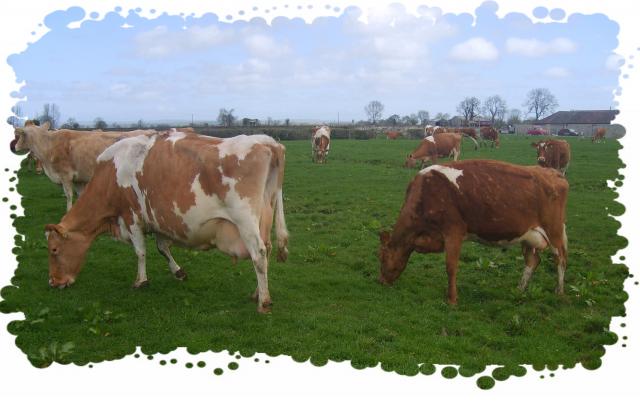
The heard at Olive Farm - Somerset enjoying green pastures.