Corporate Organics - Who owns who?
Even during a year of recession, 2009 saw a 1.7% rise in the organic food market bringing total sales to a little over £2 billion in the UK. Despite the slightly slower growth in 2009 the overall trend has been dramatic with sales more than doubling in the last 8 years. This strong and buoyant market has attracted the interest of many businesses seeking to get their piece of the organic pie. Some have set up their own organic division whilst others have taken over. The food industry is dominated by a few monstrous corporations who have also been eagerly getting involved in the organic sector.
The most recent take over of the British company, Cadbury Schweppes, by American food giant Kraft foods has had further reaching effects. Organic chocolatier, Green & Black's established in 1991, has been owned for a number of years by Cadbury and as a result are now financially controlled by Kraft Foods. Kraft are the 2nd largest food company in the world with annual turnover in excess of $50 billion. They are the global leading manufacturer in both the confectionery and biscuit markets with 11 brands that bring in over $1 billion each. Major brands that fall under the Kraft label include Maxwell House, Philadelphia, Nabisco, Oreo, Jacobs, Milka, Cadbury, Dentyne, Halls, Kenco, Kool Aid, Planters, Ritz and Toblerone.
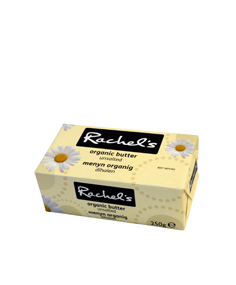
Rachel Rowland's Organic Dairy in Wales has, like Green and Black's become somewhat of a British institution in the organic sector. Established in 1984 as a small farmhouse operation it has more than 25 years of trading in the UK and has become one of the leading organic dairy brands in the country. In 1999 it was acquired by American dairy company Horizon Organic, but then Horizon was bought out in 2004 by the largest dairy distributor in the USA, Dean Foods. This Texas based company has more than 26,000 employees and a turnover of $659 million in 2009. They manage more than 50 different brands, the majority being in the US, but with a UK presence in the form of Rachel's Organic.
Seeds of Change was introduced to the UK in 1999 with their convenient sauces, soups, pasta and cereal bars. The company was established in 1989 literally selling ethically traded organic seeds, but then branched into other areas and caught the eye of Mars UK/Europe in 1997. Mars are vast company with over $28 billion annual turnover and over 65,000 employees. They have 5 confectionery brands that draw in in excess of $1 billion each. Their brands include many familiar names including Twix, Galaxy, Maltesers, M&M's, Snickers, Mars, Milky Way, Topic and Revels. They also have other divisions which include brands such as Wrigley's gum, Hubba Bubba, Skittles, Starburst, Lockets, Lifesavers, Pedigree Chum, Whiskas, Cesar, Kitekat, Uncle Ben's and Dolmio. Seeds of Change was just another acquisition that could target a slightly different niche in the market.

Stonyfield Farms, a large American organic dairy, recently launched a range of organic yoghurts called Stony yoghurts here in the UK, but the range was discontinued perhaps because the market is so well wrapped up by Yeo valley and Rachel's Organic. Stonyfield are owned by food giant Danone. They are the global leaders in fresh dairy products and the global number 2 in bottled water and baby nutrition. In 2008 they turned over 15.2 billion Euros and had 31,200 employees. Well known brands that come under the Danone umbrella include Shape, Actimel, Activia, Evian, Volvic, Cow & Gate and Milupa.
Why should we be concerned about corporate takeover of the organic food market? Maybe it is just business and it demonstrates the increasing demand by the public for organic food and standards. Ethiscore review companies against a wide number of criteria to determine how well they operate in relation to many standards including:
Environment (Environmental Reporting, Nuclear Power, Climate Change, Pollution & Toxics, Habitats & Resources)
People (Human Rights, Workers' Rights, Supply Chain Policy, Irresponsible Marketing, Arms & Military Supply)
Animals (Animal Testing, Factory Farming, Animal Rights)
Politics (Political Activity, Boycott Call, Genetic Engineering, Anti-Social Finance, Company Ethos)
Product Sustainability (Organic, Fairtrade, Positive Environmental Features, Animal Welfare, Other Sustainability)
Roughly speaking, a score of:
 15 to 20 is good
10 to 14 is average
5 to 9 is poor
0 to 4 is very poor
Green & Black's were rated prior to takeover a very respectable 16. The rating dropped after takeover to a poor 8.5. Rachel's Organic pre-takeover were rated at 15 and despite efforts to maintain their quality have dropped slightly to 13 post takeover. Rachel's owners, food giant Dean Foods had to answer to allegations in 2007 of allowing milk from large scale, industrialised farms that failed to meet regulatory standards to still to be sold under the 'organic' label. Seeds of Change were scored at 15 pre-takeover and are now only able to achieve a weak score of 3.5. The concerning trend is very clear! When corporate giants takeover despite efforts from company founders to ensure that principles and standards are maintained as originally hoped the financial driving force of these corporate monsters soon supercedes all idealistic views and the quality of the company and the product is soon affected. It is also worth questioning the values of a company like Kraft who are perfectly happy to buy cocoa at rock bottom prices, from farms using child labour and routinely applying pesticides, to then have an arm of their company that stands for Fairtrade and organic practices. Is this not a double standard? It is vital that we support the companies that have maintained independence and still operate to the high standards they intended from the outset. There are many small farms and organisations that produce high quality food and are passionate about maintaining quality, not just increasing their product yield. We have many of these suppliers listed on our food finder guide. Some other companies have become successful and are now well known brands that can be found within the walls of many supermarkets and yet still retain much control of what they do. A few such independently operated and well known brands include
- Doves Farms
- Organix
- Yeo Valley
- Meridian Organic
- Biona Organic
- Suma Organic
- Essential Trading
A few other companies that should be scrutinized within the organic and ethical umbrella, that have more recently been taken over by larger corporate organisations include:
- PJ Smoothies owned by Pepsi Co.
- Whole Earth owned by Kallo, owned by Wassanen NV
- Crazy Jack's owned by Community Foods
- Pret - a - Manger owned 33% by McDonalds (have since sold their shares)
- Ben & Jerry's owned by Unilever
- Tom's of Maine owned by Colgate Palmolive
- The Body Shop owned by L'Oreal
What do you think about large corporate investment in the organic food sector? Should it be happening? Should they be duty bound to maintain the same standards instilled by the original company after takeover? Please make a comment by clicking bottom right.