Fed up with the Fat Tax!
After several years of discussion and debate, the topic of levying a 'fat tax' on certain food products continues to rear it's ugly head in both the press and the government. The Daily mail reported on 11th November 2011 that
This is not new and has been bolstered by the recent introduction of a fat tax in Denmark. Whilst it is clearly too early to know whether this will have a positive impact amongst the Danish population, it is fair to say that they are not facing the same level of obesity crisis as we are here in the UK. Danish obesity rates in 2000 were only 9.5% of the population, whilst in the UK obesity had exceeded 20% at that time. The last time UK obesity was at these low levels was between 1980-85. The Danish also have a higher health spend per capita than the UK. So whilst they have been proactive in introducing a fat tax there is no evidence to date that it will work. One thing that is for sure is that it will increase the weekly shopping bill!
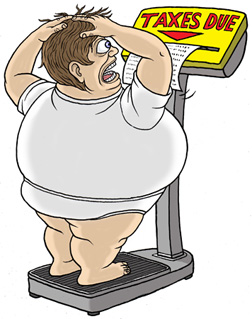
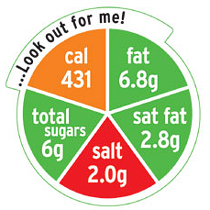
There are a few problems with the proposed fat tax, the greatest of which is what is being defined as foods that will lead to obesity and ill-health. As stated above it will be foods high in fat, salt and sugar. These most certainly need to be more clearly defined as sweeping over these food categories does not accurately deal with the problems in the causation of obesity. Let's quickly consider each area and identify the problems:
- Fat is always targeted as the main obesity promoting problem. Fat makes you fat after all! Fat is a huge food category that includes up to 40 different chemical types as identified by fat expert Dr Mary Enig. These include 4 carbon, saturated short chain fats, such as butyric acid in butter, all the way up to long chain, polyunsaturated 24 carbon fats such as nisinic acid found in fish oils. It is not news in any way for most people that some fats have been found to be hugely beneficial to health and others damaging. Manufactured trans fatty acids found in hydrogenated oils have been recognised in the mainstream as harmful to health since the early 90's. They have also been strongly linked to causing diabetes which in turn means it also contributes to obesity as almost 50% of type 2 diabetics are obese. However, highly saturated coconut and palm oil contain 50% lauric acid, a 12 carbon saturated fat, that has been shown in numerous studies to increase metabolism and fat burning. Therefore, this fat actually may help with the obesity crisis. Interestingly science has determined that the largest component of body fat is oleic acid at 49%. Oleic acid is a monounsaturated fat found in rich supply in olive and GM rapeseed oils currently promoted as heart healthy. It is also important to know that fats can freely move in and out of fat cells unless the internal environment of our bodies is altered to increase the flow into the fat cells, locking the fats within. This can only happen when we have a continual intake of carbohydrates that elevate our insulin levels. So what I am getting at is that whilst it is fats that are stored, they do not stimulate fat storage, this is the impact carbohydrates have on us when eaten in abundance with longer chain, processed fats and oils.
- Salt has been falsely implicated as a cause of high blood pressure and a contributory factor in heart disease for many years. Yet it has never been implicated as a cause of obesity! So where is the logic in including foods high in salt as part of a fat tax? Most salt is highly processed and has had more than 70 minerals stripped out to ensure it is 99.9% sodium chloride, a white, free flowing compound. This offers the consumer the convenience of not needing a grinder, but at the same time imbalances the blood with excess sodium. Unprocessed salts retain all their natural minerals including necessary amounts of calcium and magnesium which help to balance the blood and prevent excess sodium build up. A tax on salty foods in general will affect unprocessed salts as well which are hugely beneficial to health. If you are not convinced on the lack of evidence against salt then read this article by Gary Taubes called The Political Science of Salt. But the bottom line still remains, why the tax on salt? It is not, and has never been considered obesogenic.
- Sugar is usually the one compound that we all agree is damaging to health. True! Processed sugar upsets blood chemistry that can lead to increasing fat storage and weight gain as a result of high insulin levels. However, it could be argued that the effects of elevated insulin after high glycaemic, processed sugar are eaten are relatively short lived and therefore insulin soon drops back down allowing the body to shift back towards fat burning again. In fact when processed sugar is plotted on a graph against European obesity rates the correlation is not very convincing. I am not rallying for an increase in white sugar as it is most certainly a huge strain to the body and causes numerous problems. However, we are all so convinced it is a factor in obesity. If a 'fat tax' is levied against sugar will that include natural honey, lower calorie maple syrup or dehydrated cane sugar (rapadura) each of which are rich in minerals and other healthful compounds. What about the common hidden sugars in processed 'health' foods that really should be taxed such as fructose, high fructose syrups and fruit concentrates? These are often played up as healthy because they are derived from fruits! Truth is fructose and high fructose syrups most commonly come from corn and cause minerals losses in the urine. Fruit concentrates are usually drawn from naturally high fructose fruits like apples, pears and grapes. They are still highly processed, devoid of minerals and contribute to increased triglycerides in the blood, which create an internal environment that can lead to easier fat storage! Even a general tax on sugar is not that simple.
Why does public pressure and government always seem to push people with negative motivation? Why are they proposing to punish the public with higher food costs that will impact upon their everyday lives? This will be especially tough on the poorer classes. This 'fat tax' campaign is making the assumption that overweight people are simply making the choice to be fat and that this can be reversed by forcing them away from supposedly obesity promoting foods by increasing food prices. I have worked for years with overweight clients and have never met a single one who wanted to be overweight. Despite numerous diets and considerable change to their habits, often following government food guidelines, many people on their own continued to struggle with their weight.
Does the government plan to pay food manufacturers for loss of income when their sales drop? Yet they continue to ask manufacturers to follow voluntary codes of conduct rather than enforcing a significant change in the ingredients they use. There continues to be no legislation against the use of trans fatty acids despite nearly 20 years of science clearly showing their negative health effects. How many other of the many thousands of minimally tested food ingredients allowed in modern food manufacture may be adding to the obesity epidemic?
Stop all the negativity! Make it more affordable to buy good quality natural foods by driving manufacturers away from making the junk that currently exists and rewarding them for higher quality, more natural foods. Surely the government can provide subsidies for farmers who are producing real, natural foods instead of paying the large scale cash crop producers of corn, soya and wheat. These high carbohydrate foods are some of the cheapest ingredients available for use in food manufacture and continue to cause blood insulin levels to spiral ever upwards shifting our bodies towards fat storage. Eat real food and live well! Make real, natural food affordable - that is a better answer.
Please contribute to this discussion by adding your comments or thoughts.