What's soy bad about it after all?
I recently had someone comment 'Yuck, soy is bad for you!' This made me realise that often a thread of information can get out there to the extent that it is easy to blacken a whole subject area in one fell swoop. In discussing soy I usually find I spend most of my time discussing why modern soy foods are detrimental to our health, not why traditional soy foods can in moderation, still form part of a healthy diet. Realising that no previous blog specifically on soy is on our site I have determined to talk it over.
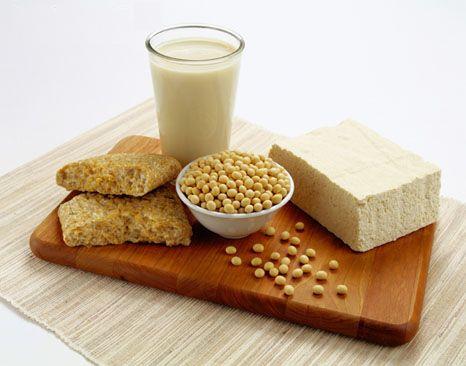
Modern food processing and the shift away from animal fats and towards vegetable oils began in the 1950's and rapidly increased the demand and production of soy bean oil. With this rapid rise came another problem. Once you have extracted the oil from a literally tonnes of soy beans, what do you do with the remaining soy sludge? Dump it or find another use for it? It quickly became a component of mass produced animal feeds, but the market wasn't big enough and the profits too small. The product was soon processed further to make soy milk, cereals and imitation meat substitutes for the vegetarian market. This increased the market value of soy beyond just that of vegetable oil. Soy marketing managed to get one of it's biggest boosts in 1998 when the FDA allowed an official health claim to be attributed to soy promoting that soy consumption could lower cholesterol. Of course the potential implications that this would have on the main stream (somewhat tired and incorrect) argument that lowering cholesterol will decrease the risk of heart disease and therefore improve health, were an obvious reason why the soy industry worked so hard to have this claimed passed. They knew that it would dramatically increase sales. In fact data since that time has shown that average soy consumption since the health claim was introduced has more than doubled in the USA. In 2007 world soy bean oil sales exceeded $260 billion. This becomes an almost unbelievable figure when you add on top of that the sales from all the various types of soy food; milk, tofu, textured vegetable protein (TVP), margarine, flour and nuts to name but a few. There is no doubt that this simple bean has grown from a rarely used food product to one of vast commercial and health importance (both good and bad).
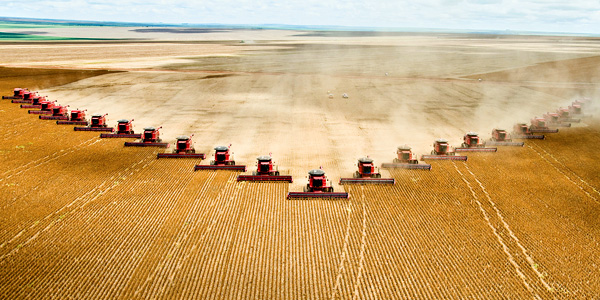
In order to keep up with substantial world demand, this supposedly ecological and ethical alternative to meat has led to vast deforestation of the Amazon rainforest to provide enough farmland. Huge farming co-operatives now exist in South America with one focus, producing massive monocultures of soy beans in order to cash in on this valuable cash crop. The image below shows one such Amazonian soy crop being harvested.
Perhaps one of the longest standing arguments that soy is good for us is the concept that in Asia soy has been a part of the diet for over 3000 years and they have lower levels of heart disease and obesity than typical Western countries. This is absolutely true. However, in both China and Japan soy never served as a staple, it was only ever a small side dish or a condiment in soy sauce. The famous China study, headed up by T Colin Campbell, is often quoted as evidence for increased intake of soy. But when the figures are looked into carefully we can determine that average legume consumption throughout China was 12 grams per day with only a third coming from soy. 4 grams per day hardly constitutes a staple food. Yet the current health claim is based around an intake of 25 grams per day for protection against cardiovascular disease, over six times as much. Perhaps they are working on the old more is better premise. Perhaps it would be best to review where the dominant source of calories is in the Chinese diet - pork and lard! Is this why they have such low rates of CHD?
Throughout China it was well known that soy was difficult to digest and could cause flatulence and digestive distress. It was considered a poor man's food as it was difficult to make enjoyable and took a long time to cook, the raw bean taking between 7-9 hours of boiling to make it soft enough to eat. All traditional sources of soy consumed in Asia involved considerable preparation and fermentation. Traditionally prepared tofu, tempeh, miso, natto or soy sauce have all been eaten for generations in China and all require fermenting, although tofu was fermented less often. Soy was put through long fermentation times (between several days to 2 years) to try and decrease the indigestible components and reduce the toxins contained within. Modern science has now determined that soy is rich in protein enzyme inhibitors that prevent digestion, phytates that bind minerals preventing absorption in the gut, sugar dense lectins that tend to 'glue up' the blood, saponins that damage the mucosal lining of the gut and finally oxalates which prevent calcium absorption to add to the mineral blocking power of the phytates. To add to this science is also building a case for soy playing a role in manganese, flouride and aluminium toxicity in the body. It is also important to note that of the highly allergenic foods that must be listed on a food label, soy is one of them. Whilst soy may not cause the most frequent allergic reactions compared to other foods, such as peanuts, when they do cause a reaction they can be very severe. A Swedish study that investigated 61 cases of severe food reactions, of which 5 were fatal, 4 of the deaths were attributed to soy!
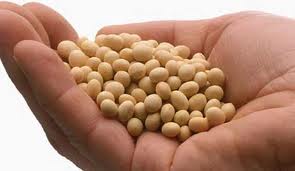
Perhaps the most concerning aspect about modern soy food consumption is the power of the soy isoflavones genistein and daidzein. These compounds are phytoestrogens and as such can mimic the effects of oestrogen in the body. These isoflavones have been detected in almost every type of boldily fluid including urine, blood, semen, bile, saliva, breast milk and even cyst fluid. So there is no doubt that the effects of dietary soy isoflavones can infiltrate vast amounts of human tissue. Soy flour (in all commercial bread), soy protein isolate and TVP have been shown to have the highest levels of isoflavones and as such the greatest capacity to disrupt our internal hormonal balance. Dr Kaayla Daniel clearly states that soy isoflavones can influence hormonal balance before puberty, during puberty and after reproductive years (menopause). That is why soy is so heavily promoted as helpful in reducing menopausal symptoms. Like steroid medications, plant oestrogens, such as those found in soy, have the capacity to exert both beneficial as well as very negative effects. The idea that because they are natural, therefore they are safe is entirely wishful thinking. Soy isoflavones have been shown to negatively affect thyroid gland function (soy is well recognised as a goitrogenic food), and to disrupt female reproductive function (even to the extent of infertility in some cases). Whilst some evidence does show that soy eating Asians have lower rates of breast, prostate and colon cancers than Westerners, Asians also experience much higher rates of oesophageal, stomach, thyroid, pancreatic and liver cancer than that observed in Western countries. So using this kind of logic it is clear that soy may reduce some cancer, but contribute to other forms of cancer.
Beneficial? Damaging? So what should we do? The evidence suggests soy intake should be moderate to low, not a staple. Modern imitation soy foods, soy flour, soy proteins and soy milk should be expressly avoided. Also it would be best to only include those traditional prepared, long fermented sources of soy in our diet.
If you have any thoughts on this discussion or have had any experiences with soy foods of value to this debate, please comment below.