Soy fails to help!
The results of a new study were published yesterday (8th Aug 2011) that delivered a devastating blow to both the soy food industry and the alternative nutrition world who have promoted soy as a 'health' food. The double blind, randomised controlled trial (the gold standard in science) published in the Archives of Internal Medicine stated:
'...the daily administration of tablets containing 200 mg of soy isoflavones for 2 years did not prevent bone loss or menopausal symptoms.'

The group of menopausal women were studied for 2 years with 122 given a daily soy isoflavone tablet and the remaining 126 women given a placebo - a simple sugar pill. Neither the researchers, nor the women new which pill they were taking throughout the full 2 year study. The primary observation was in relation to the claimed benefit that the hormone oestrogen helps to prevent the occurrence of osteoporosis, weak bone tissue, in menopausal women. Previous studies have raised concerns about the increased risk of cancer in women who take Hormone Replacement Therapy (HRT). This led to the soy industry promoting the naturally occurring phytoestrogens that are found in rich supply in soy beans. These oestrogen mimicking compounds can still bind with oestrogen receptor sites in the body and as such stimulate similar effects.
There are 3 primary types of isoflavones found in plant foods:
- Isoflavones - present in many plants - the richest source found in soy
- Coumestans - present in young sprouting legumes like soy and alfalfa
- Lignans - present in flaxseeds
This study did not administer whole soy beans, but tablets that contained a concentrated source of soy isoflavones, the primary phytoestrogen in soy. This was important as the level of phytoestrogens in soy beans can vary in relation to geographical location, crop year, sunlight hours, climate and fertilisers used. Therefore eating soy beans would not provide a controlled dosage of isoflavones. Before you think that this poor result may be because the 200mg intake was low, this is almost twice the level of isoflavones that are typically consumed by those on a soy rich diet. The isoflavone content of some common soy foods are:
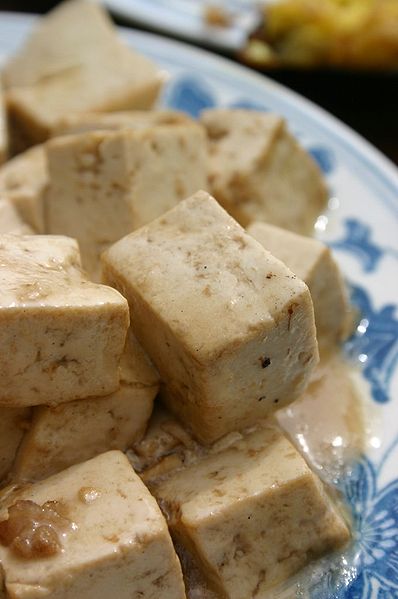
- 1/2 cup of tofu - 28mg
- 1 cup of soy milk - 45mg
- 1/2 cup of mature soy beans - 55mg
- 1/2 cup of roasted soy beans - 128mg
- typical serving of soy protein shake - 160mg
The soy isoflavone tablet did not have any more impact than placebo, than a sugar pill, on bone mineral density. Other menopausal symptoms were tracked and not only did soy isoflavones fail to reduce hot flashes, but the group taking the soy actually had a significantly higher number of hot flashes and more regular constipation.
Whilst the pro-soy community may well try to find wholes in the way in which this trial was carried out and that because the soy was administered in tablet form rather than as a food, it no doubt remains a considerable blow to the well promoted position that soy foods should be taken as a holistic method of managing modern menopausal symptoms.
Read more on the issues associated with modern soy foods in our previous soy blog.
Menopause is a natural process where the body is shutting down the fertile, reproductive period in a women's life. Part of this change is an alteration in the hormones that have dominated her life since puberty, in particular a reduction in circulating oestrogen. Whilst oestrogen in earlier years has played a strong role in bone development, growth and body fat deposition, it has played it's primary role by the time a women reaches menopause. Reducing oestrogen is a normal and natural process during this stage, just as increasing oestrogen is normal and natural during teenage years. Young females should not be reducing their circulating oestrogen during puberty as increasing levels are absolutely necessary for full development. Menopausal females should not be trying to boost their circulating oestrogen as it is absolutely necessary that levels reduce to end the reproductive period. No doubt the symptoms experienced during this time may be a challenge and difficult to endure, but driving hormone levels back up is not the answer, whether through HRT or the 'holistic' use of soy foods and the phytoestrogens contained within. Teenagers exhibit many 'symptoms' whilst they pass through the significant hormonal upheaval of puberty, but we are not trying to medicate them in response to such change. A well managed, healthy lifestyle during these years, whether pubertal or menopausal will certainly do much to help during these hormonal changes.
If you have any suggestions for naturally managing menopause, please add your comments to this blog, they would be much appreciated.